
Physiotherapy After Knee Replacement in Mold
If you are preparing for or recovering from a knee replacement in Mold, this page explains how our physiotherapy team helps you regain movement, strength and confidence.
What does physiotherapy after knee replacement involve
Physiotherapy after knee replacement involves guided exercises to restore bend and straighten in the knee, exercises to rebuild the strength around the joint, and step by step help to walk, use stairs and return to daily tasks safely. Your physiotherapist checks your wound, your movement and your walking pattern, then builds a plan around what you need to get back to.
A knee replacement removes the worn surfaces of the joint and replaces them with an artificial one. The operation itself does the structural work, but the muscles around the knee still need to be retrained, and the joint needs to be moved regularly so it does not stiffen. This is where physiotherapy comes in, whether your operation was at a hospital in Chester or Wrexham, or closer to home in North Wales.
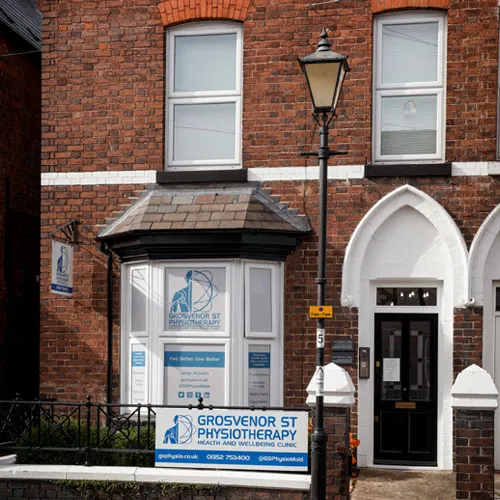
At Grosvenor Street Physiotherapy in Mold, Flintshire, we see people at every stage, from those still waiting for their operation date to those several months post surgery who want to get back to walking, gardening or golf. Your plan is built around your goals, your knee and your timeframe, not a generic leaflet.
Is this you?
- You have a knee replacement date booked and want to prepare your leg beforehand.
- You had your operation recently and your knee still feels stiff and swollen.
- You are struggling to bend your knee far enough to manage stairs comfortably.
- Walking still feels unsteady and you are relying on a stick longer than expected.
- Your consultant discharged you but you feel you have not fully regained strength.
- You want a clear, structured plan rather than exercises found online.
Your recovery, stage by stage
Recovery after a knee replacement follows a general pattern, though your own timeline will depend on your fitness, your knee and how the surgery went. These stages give you a rough guide to what physiotherapy focuses on at each point. Your own programme is set by your physiotherapist and adjusted as you progress.
Weeks 0 to 2
In the first fortnight the focus is on managing swelling, protecting the wound and getting the knee moving little and often. You will usually walk with a frame or crutches and be shown exercises to start regaining bend and straighten before stiffness sets in.
Weeks 2 to 6
Walking distance and confidence build steadily, and many people progress from two crutches to one, then to a stick. Physiotherapy sessions work on your walking pattern, stairs and everyday movements, alongside exercises to rebuild strength in the thigh and calf muscles.
Weeks 6 to 12
Most people can walk without an aid by around six weeks and driving may become possible from this point, once you can control the car safely. Exercises become more demanding, targeting balance, strength and the range of movement you need for daily life.
Month 3 onwards
Full recovery can take several months or longer, and this stage is about returning to the activities that matter to you, whether that is longer walks, gardening or a return to sport. We help you progress safely rather than stopping too soon.
Physiotherapy before your knee replacement
Pre op physiotherapy, sometimes called prehab, prepares your knee and the muscles around it before surgery. Going into your operation with better strength and movement gives you a stronger starting point for the weeks that follow, and it is a chance to learn the exercises you will be using afterwards while you are not yet recovering from surgery.
A prehab session at our Mold clinic usually covers a check of your current strength and movement, a home exercise programme to work on before your operation date, and honest answers to the practical questions people have about hospital stays, walking aids and what the first weeks look like.
What happens at your appointment
Your Initial Assessment lasts up to 45 minutes. Your physiotherapist looks at your knee, checks your movement, strength and walking pattern, asks about your surgery and your goals, and agrees a plan with you. You leave with exercises to start straight away and a clear idea of what comes next.
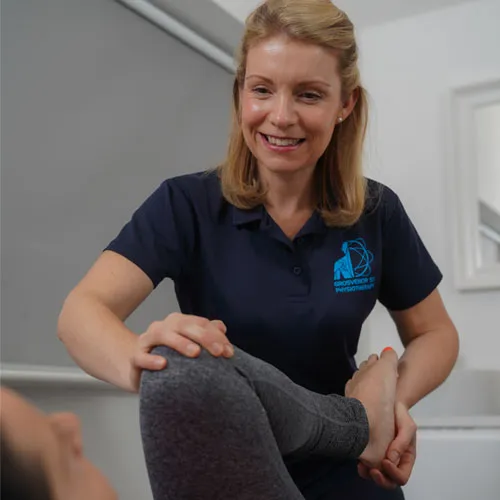
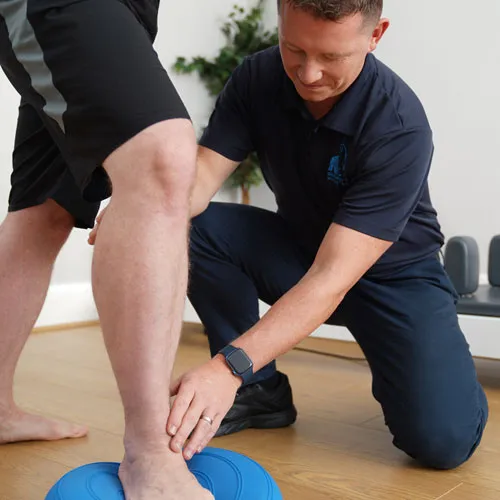
Many people then follow our Rehabilitation Programme, a set of Follow-up sessions used to work through your plan with the same physiotherapist each time. This keeps your recovery on track, spots any setbacks early, and adjusts your exercises as your knee improves.
Why choose GSP?
Common questions
Is physiotherapy after knee replacement necessary?
Physiotherapy is not compulsory, but it is strongly recommended. Structured exercise after knee replacement helps you regain bend, strength and a safe walking pattern more reliably than resting alone. Your surgical team will usually advise physiotherapy as a routine part of recovery, and a home exercise programme from the early days after surgery is an important part of that.
How many days of physiotherapy do I need after knee replacement?
There is no fixed number of days. Hospital physiotherapists usually see you before discharge, then ongoing sessions continue for weeks or months depending on your progress. Our Rehabilitation Programme of three or five follow-up sessions gives many patients a structured plan through the weeks that matter most for regaining movement and strength.
Would physiotherapy help pain before a knee replacement?
Pre op physiotherapy, or prehab, aims to build strength and movement before your operation, which can give you a better starting point for recovery. It does not remove the need for surgery, but it can help you feel more prepared and can support a smoother rehabilitation once your operation date arrives.
When can I drive after a knee replacement?
Most people are advised to wait at least six weeks after a total knee replacement before driving, and around three weeks after a partial knee replacement, though this varies by person. You should be able to control the car safely and perform an emergency stop comfortably before you return to driving.
How long until I can walk without a stick after knee replacement?
Many people walk without a walking aid by around six weeks, though this depends on your strength, balance and how your knee is healing. Physiotherapy helps you progress from crutches to a stick to walking unaided at a pace that suits your recovery, rather than rushing a stage before you are ready.
Can physiotherapy help if my knee still feels stiff months after surgery?
Yes. Some stiffness can persist beyond the early weeks, and targeted exercise and hands on treatment can help you work on range of movement and strength even months after your operation. An assessment at our Mold clinic can identify what is holding your knee back and build a plan to address it.
Clinically reviewed by Rob Kelly BSc MCSP HCPC ACPOHE, Director and Senior Physiotherapist.